Home Energy Rebates for Renters: What You Can (and Can't) Get in 2026
Energy rebates for renters in 2026: what requires the landlord, what you can claim yourself (thermostats, appliances, weatherization), and how multifamily HEAR programs work.
Key facts
- Most equipment rebates need the owner: permanent installs (heat pumps, panels, insulation) are applied for by landlords
- Renters can act alone on: smart thermostats (with permission), plug-in appliances, and utility bill-credit programs
- Weatherization works for renters: WAP serves income-qualified tenants with landlord consent — at no cost to either
- Multifamily HEAR: several states (e.g., New Jersey's M-RISE) direct IRA funds to whole-building electrification
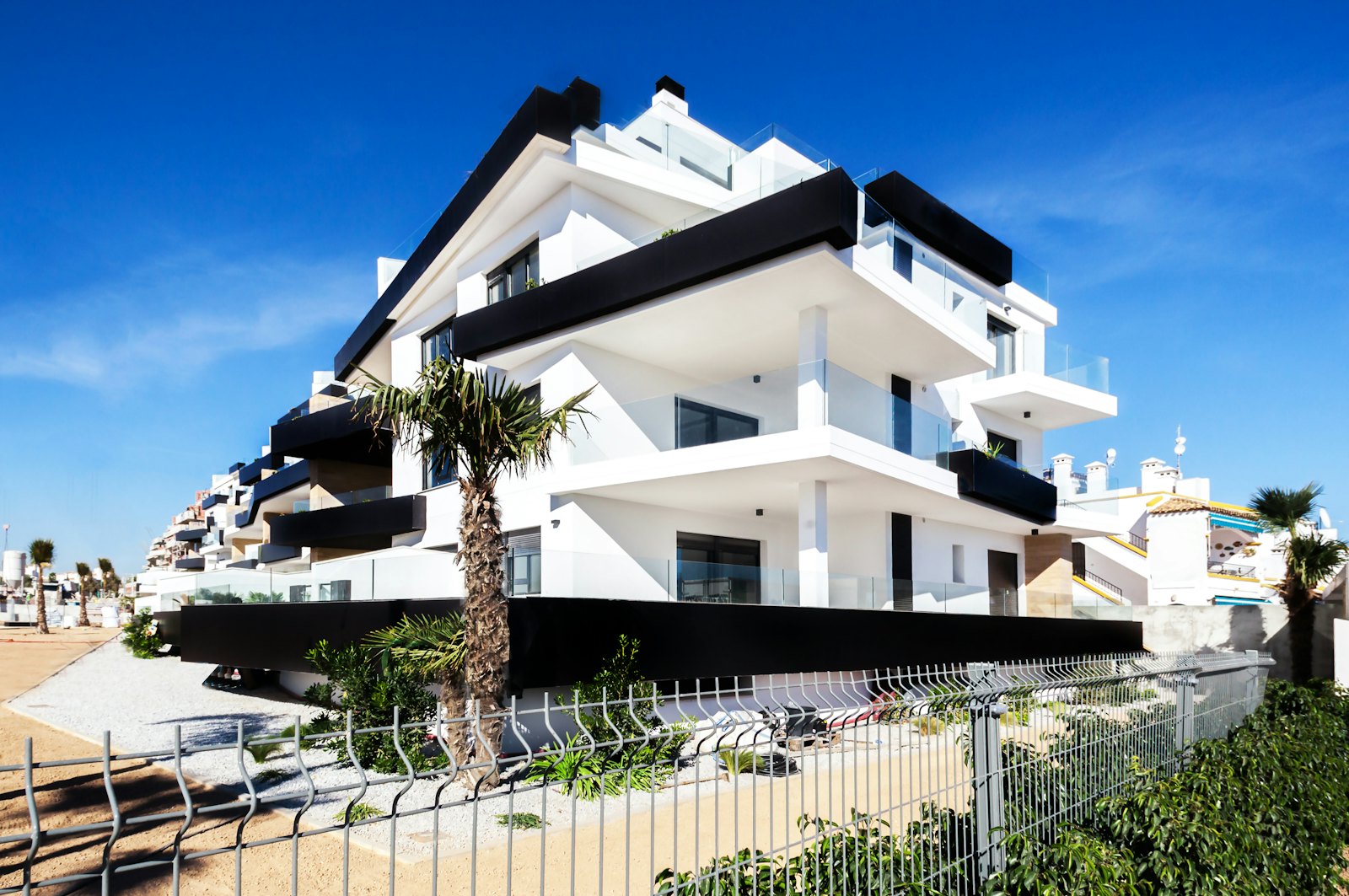
The ownership problem, honestly
Rebate programs pay the person who owns the improved asset. A heat pump or insulation belongs to the building — so the landlord applies, even where the tenant pays the energy bills. What a renter controls is everything that isn't bolted down, plus the power of a well-timed pitch to the owner.
What renters can claim directly
- Smart thermostat rebates — most utilities rebate the account holder (you), and installation is reversible; get written permission.
- Appliance rebates — where HEAR covers electric stoves or heat pump dryers, point-of-sale discounts can apply to a renter-purchased appliance you take when you move (state rules vary).
- Utility programs — demand-response credits, efficiency kits, and low-income discount rates attach to your utility account, not the building.
Weatherization: the strongest renter pathway
The Weatherization Assistance Program explicitly serves renters: if your household income qualifies and the landlord consents (they usually do — the building improves free), the local agency insulates, air-seals, and fixes heating systems at no cost. Check income limits via our AMI guide — WAP uses similar math.
Making the landlord pitch
Landlords respond to numbers: an audit report, the rebate covering 50–100% of cost in live states, and DOE's multifamily set-asides (New Jersey routes its entire allocation through multifamily electrification and Comfort Partners). Offer to coordinate quotes with the application playbook — the owner's paperwork burden is the main objection you can remove.