Home Energy Audits in 2026: Cost, Process & Why Rebates Often Require One
Home energy audit guide: typical cost ($0–$600), what a blower-door test involves, how audits unlock HOMES rebates, and how to get one free through your utility or WAP.
Key facts
- Typical cost: $200–$600 for a professional audit — often free through utilities or weatherization programs
- HOMES rebates require one: the rebate is sized from modeled or measured savings, so the audit is step zero
- What happens: blower-door test, thermal imaging, combustion safety checks, and a prioritized upgrade report
- Time: 2–4 hours on site for a typical single-family home
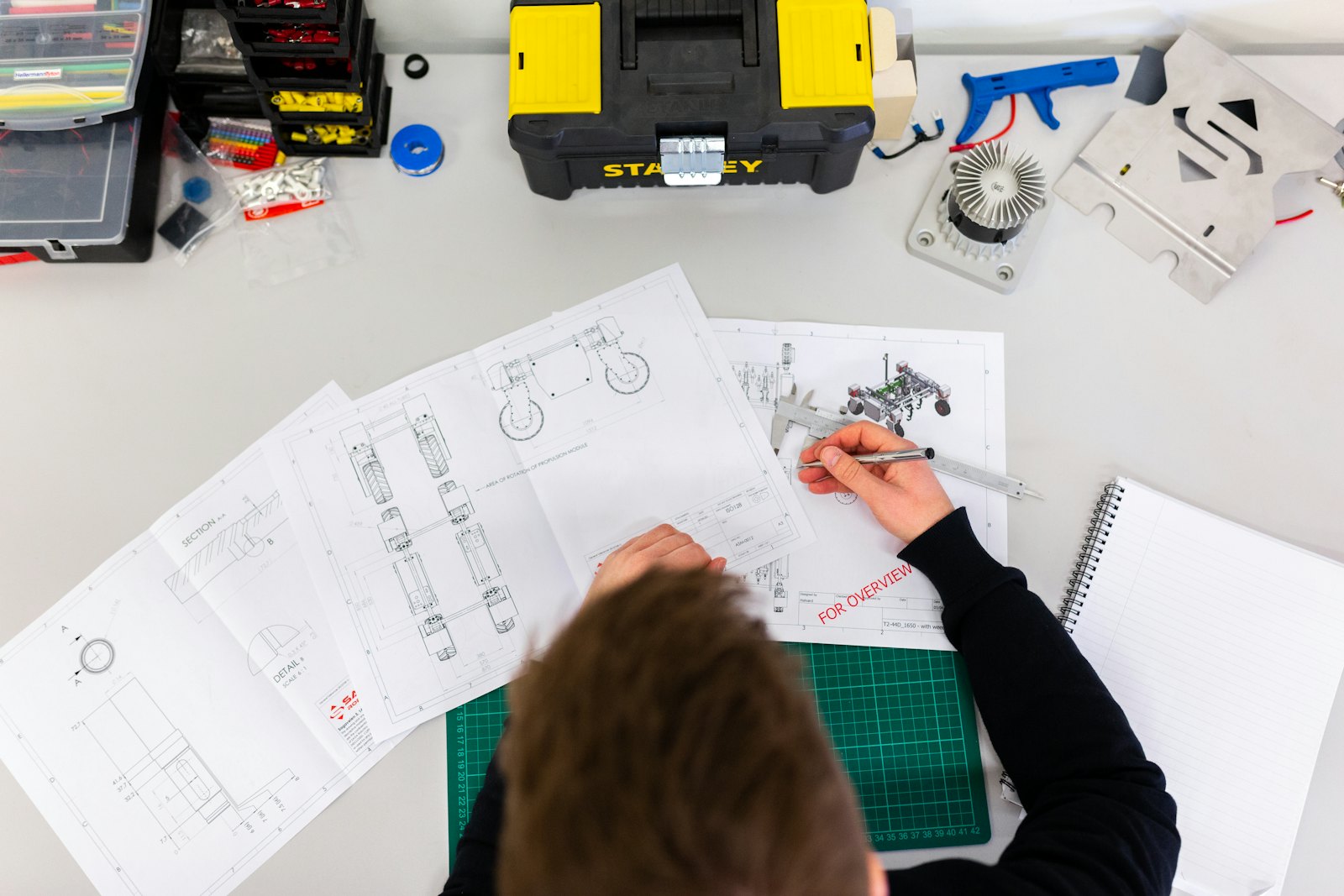
What a real audit includes
A professional audit (often BPI-certified) measures how your home actually performs: a blower-door test depressurizes the house to find air leaks, thermal imaging shows missing insulation, and combustion safety checks make sure furnaces and water heaters vent properly. You get a report ranking upgrades by payback — usually air sealing and insulation first, equipment later.
What it costs — and how to pay $0
| Pathway | Typical cost | Notes |
|---|---|---|
| Utility-sponsored audit | $0–$100 | Many utilities subsidize or fully cover audits |
| Weatherization Assistance (income-qualified) | $0 | Audit + upgrades free via WAP |
| Independent BPI/RESNET auditor | $200–$600 | Best for pre-HOMES planning and larger homes |
| State program audit (HOMES intake) | $0–$150 | Often required and rebated as part of the program |
Audits and the IRA rebates
For HOMES whole-home rebates, the audit isn't optional: your rebate is calculated from modeled or measured energy savings, so the assessment defines your money. Several states (Kentucky and Indiana, for example) start every rebate application with a qualified assessment. HEAR doesn't usually require one, but the 2026 federal update means new HVAC rebates may require insulation and air sealing done at the same time — which an audit scopes correctly.
How to prepare
- Gather 12 months of utility bills (or grant portal access).
- Clear access to the attic, crawlspace, water heater, and electrical panel.
- List comfort complaints — cold rooms, drafts, humidity — auditors chase symptoms.
- Ask for the report in a format your state rebate program accepts.
After the audit, price the recommended work with the calculator and follow the application playbook before signing contracts.